KidsHealth Quick read
Delayed Puberty (for Teens) (opens in a new tab, leaves TeenWell)
Concerned about growth or development? Puberty can be delayed for many reasons, but doctors can often help kids develop.
Read at KidsHealth
Lesson 1.1 of 4
What's actually happening to my body, and what counts as normal?
9 slides Download PDF (1.2 MB)
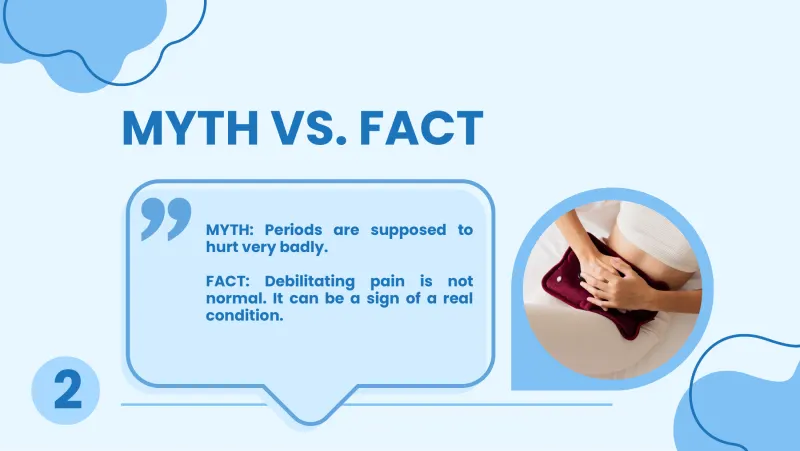
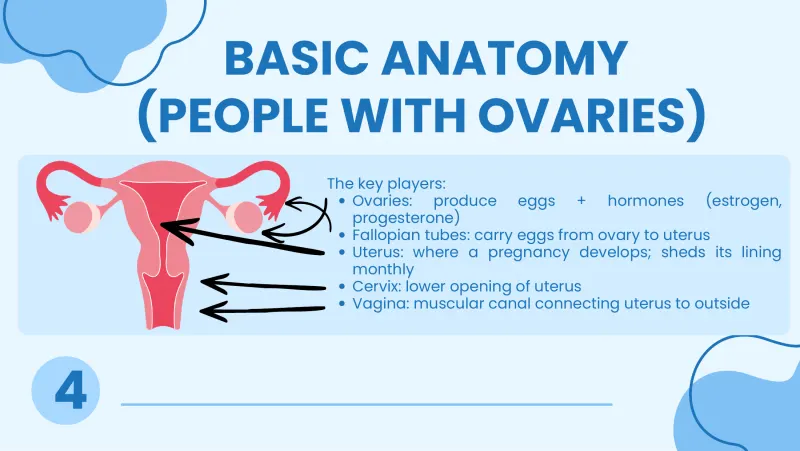
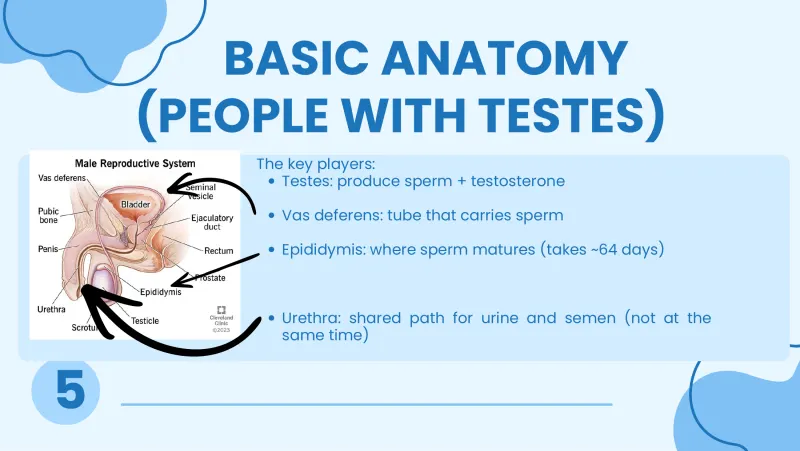
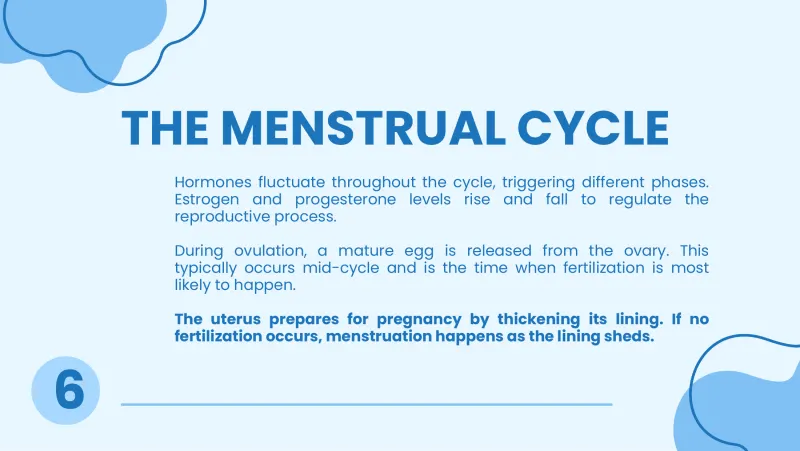
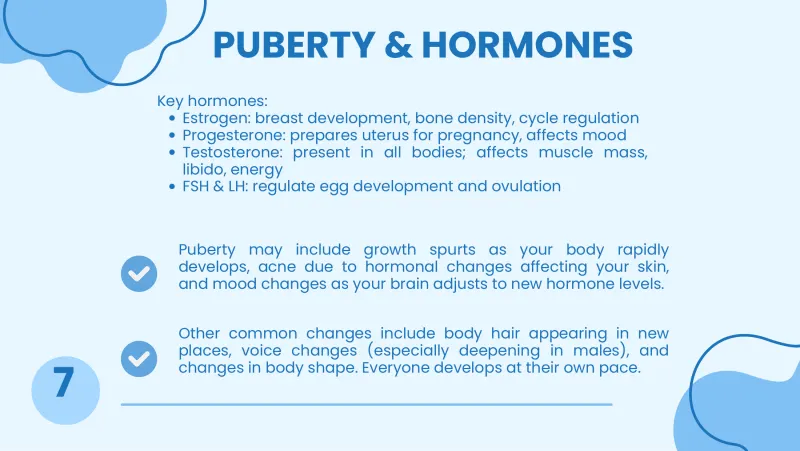
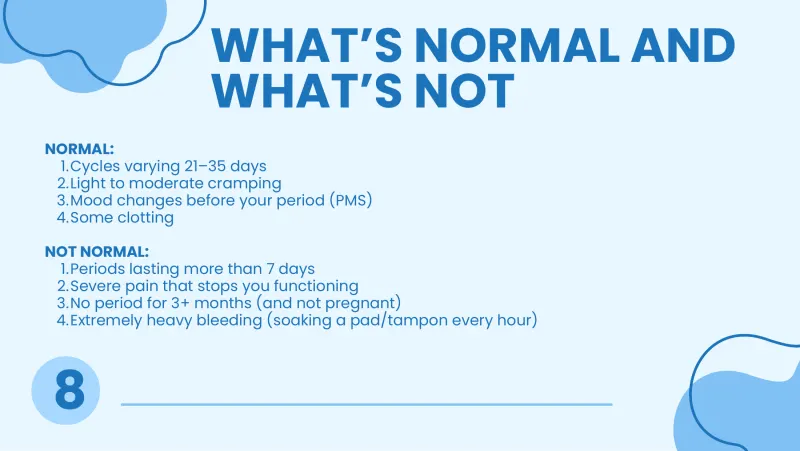
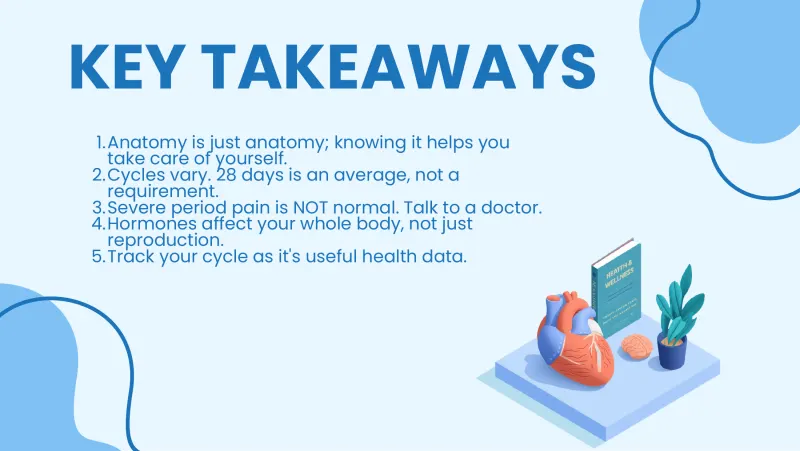
These slides were made by the TeenWell team for classroom use. Unlike the linked resources below, they are our own material.
Shortest reads first.
Concerned about growth or development? Puberty can be delayed for many reasons, but doctors can often help kids develop.
Read at KidsHealth
See answers to some common questions about periods.
Read at KidsHealth
Get the facts about sexual health with articles on puberty, periods, birth control, infections, and much more.
Read at KidsHealth
Learn what periods are, when they start, and how they happen. Also, get tips about cramps, PMS, and period products.
Read at KidsHealth
Voice cracking? Clothes don't fit? Puberty can be confusing, but learning about it doesn't have to be. Read about it.
Read at KidsHealth
This video explains signs of puberty in boys: When do boys hit puberty? What are the first signs of puberty in males? When does puberty end?
Read at AMAZE
Puberty in girls can start between the ages of 8 and 14 years old. Regardless of age, everyone goes through it eventually.
Read at AMAZE
Introducing The Busybodies Club: a national long-term campaign to educate young people on sexual health and reproductive rights topics. From your besties at Advocates for Youth comes the latest campaign to revamp, reshape, and relearn the sex ed you think you know. Introducing the busybodies club!
Read at Advocates for Youth
Your vulva and vagina are as unique parts of your body. When puberty begins, many changes will happen so it is important to know how your body functions.
Read at Planned Parenthood
Getting your period is a normal part of growing up. During your period, a little bit of blood comes out of your vagina for a few days.
Read at Planned Parenthood
It’s normal to be nervous about your first period. Knowing what’s normal can help prepare you. Everyone’s body is different, so periods are different too.
Read at Planned Parenthood
Your vulva & vagina are unique parts of your body. They are different for everyone, coming in many different shapes & sizes, so yours is completely normal.
Read at Planned Parenthood
Everyone’s penis and testicles (balls) are different. During puberty, they get bigger. Don't worry about your penis size, because all sizes are normal.
Read at Planned Parenthood
Breasts & nipples come in a variety of sizes, shapes & colors. During puberty, your breasts develop in size. Your breasts will change throughout your life.
Read at Planned Parenthood
Erections, ejaculation (cumming), and wet dreams are normal parts of puberty and sexual development for anyone with a penis.
Read at Planned Parenthood
Puberty & becoming sexually curious can be confusing for a teen. Being comfortable discussing these topics with your parents can be tough, but it may help.
Read at Planned Parenthood
Are you a teenager looking for tips, advice, and information on sex, relationships, your body, and more? You’ve come to the right place.
Read at Planned Parenthood
Read at Young Women's Health
Read at Young Women's Health
Read at Young Men's Health
Have you noticed hair growing on your body where there was no hair before? Are you having trouble singing those high notes in music class that used to be easy? Maybe you've noticed the boys around you have started shaving, and you're wondering when you'll have to start. Well, you're not alone. Everyone goes through...
Read at Young Men's Health
Welcome to the free birth control support network. Find a doctor, find a birth control method, find a happier you in bed.
Read at Bedsider
Teen-written stories about sexual health issues. Topics include birth control, HIV/AIDS & STDs, pregnancy, LGBTQ issues, abuse, relationships and sex.
Read at Sex, Etc.
Reproductive and sexual anatomy includes your genitals and reproductive organs. Everyone’s reproductive and sexual anatomy looks a little different.
Read at Planned Parenthood
Menstruation — aka having your period — is when blood and tissue from your uterus comes out of your vagina. It usually happens once every month.
Read at Planned Parenthood
Read at Scarleteen
Bodies info for all. Anatomy, function and systems explainers, debunking, help navigating healthcare and more, all without arbitrary gender assignments.
Read at Scarleteen
Read at OASH Women's Health
Lesson 1 of 4 in Reproductive & Sexual Health. TeenWell doesn't write health information. Every link above goes to the organization that does.