KidsHealth Quick read
Talking With Your Partner About Sex (for Teens) (opens in a new tab, leaves TeenWell)
Find out why it's important to talk about sex with your partner and how to have that conversation.
Read at KidsHealth
Lesson 1.4 of 4
What does real consent look like, and how do I talk about what I want and don't want?
9 slides Download PDF (1.3 MB)
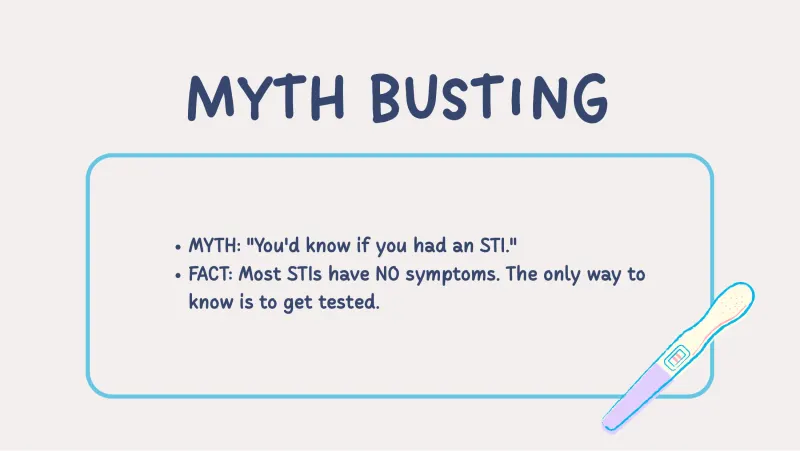
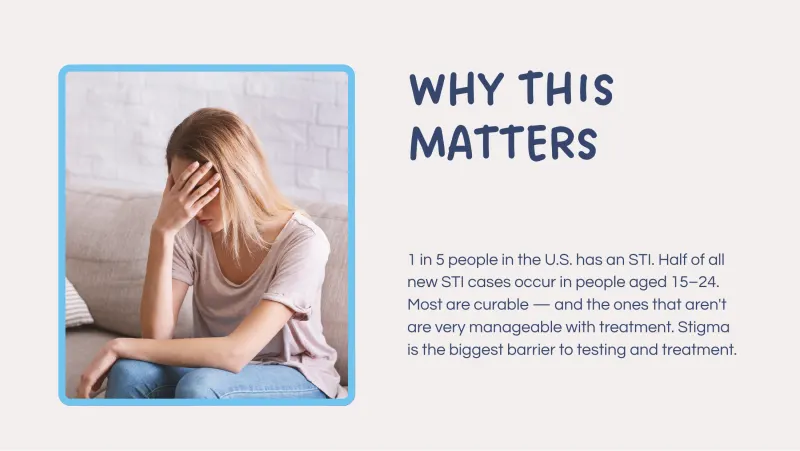
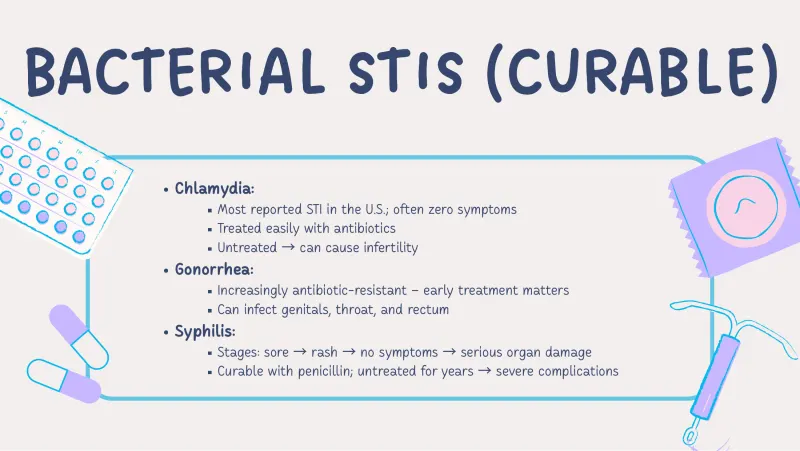
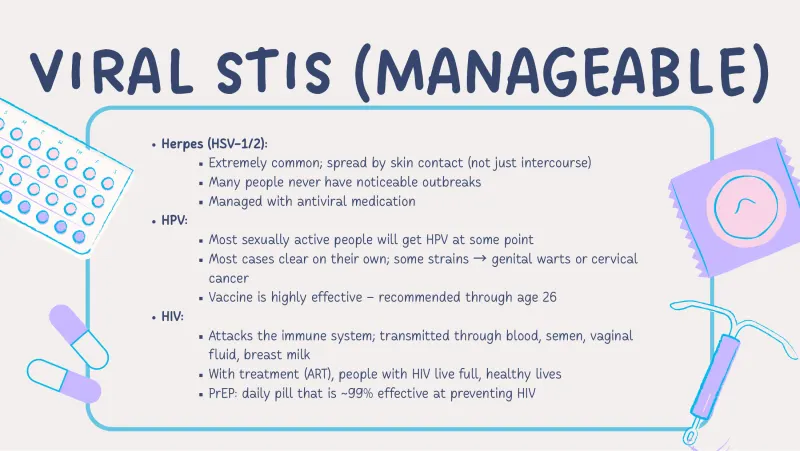
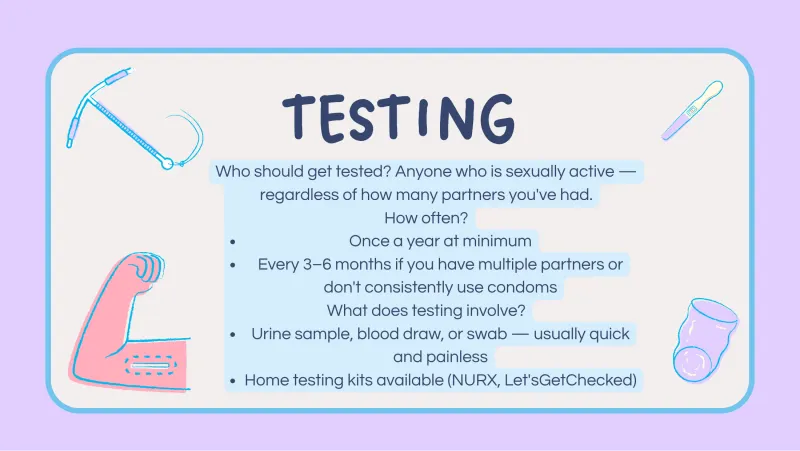
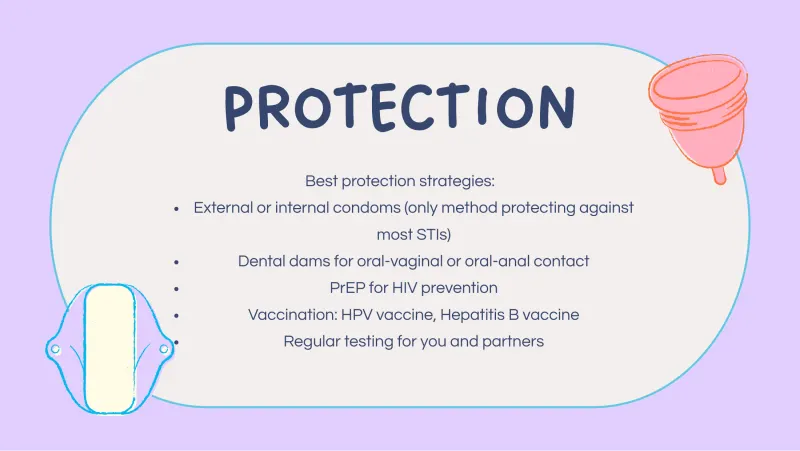
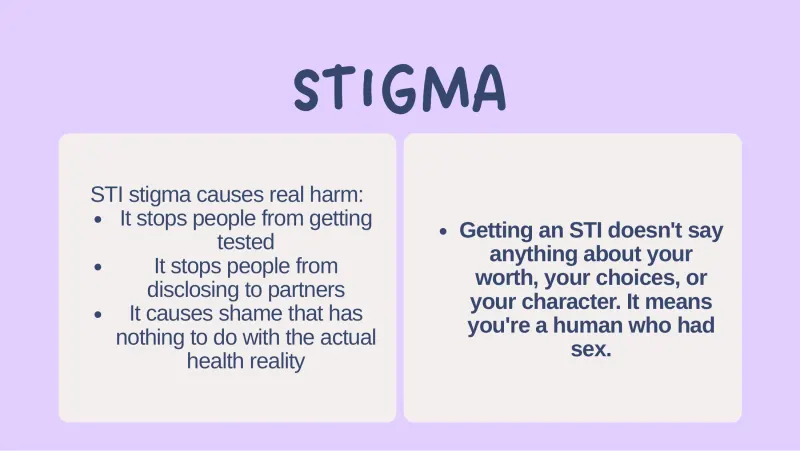
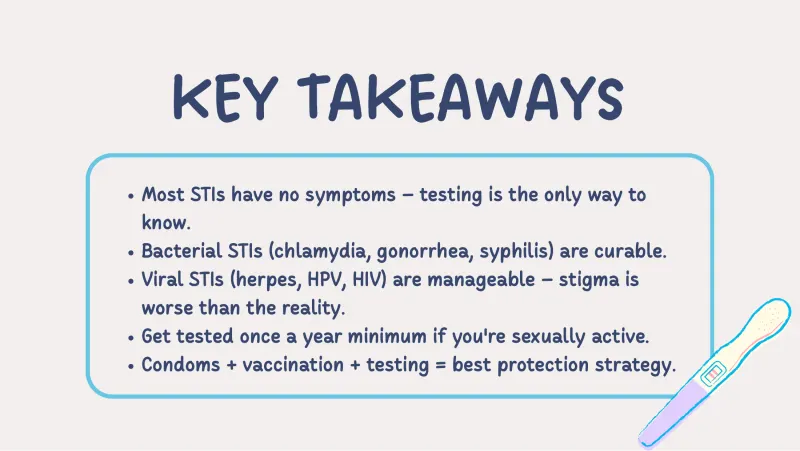
These slides were made by the TeenWell team for classroom use. Unlike the linked resources below, they are our own material.
Shortest reads first.
Find out why it's important to talk about sex with your partner and how to have that conversation.
Read at KidsHealth
Sexual violence is unwanted sexual behavior that is forced on someone. It can take many forms, including rape. Sexual violence and rape are never OK. Find out what to do and how to get help if you need it.
Read at KidsHealth
If a friend confides they have been raped, sexually abused, or assaulted, your support can mean a lot.
Read at KidsHealth
Abstinence is the only form of birth control that is 100% effective in preventing pregnancy. Abstinence also protects people against STDs.
Read at KidsHealth
You don't have to do any behavior that makes you feel uncomfortable. Watch our video to learn more about consent and communication.
Read at AMAZE
You don't have to do anything sexual that makes you feel uncomfortable. Watch our video to learn more about sexual consent.
Read at AMAZE
Sexual consent is saying "yes" under your own free will to participate in any type of sexual activity. If it isn't consensual, it's sexual assault, or rape
Read at Planned Parenthood
It can be hard to tell someone that you don’t want to have sex. Talking about what you do and don’t want to do sexually is important for a relationship.
Read at Planned Parenthood
Talking about sex doesn’t have to be a big deal. And it gets easier with practice. Being honest and clear with your partner is very important.
Read at Planned Parenthood
Talking with your partner about preventing STDs and unplanned pregnancy is one of the most important things you can do to protect your sexual health.
Read at Planned Parenthood
Deciding if you’re ready to have sex is a big decision that’s very personal. It's important to think it through and wait until you're sure you're ready.
Read at Planned Parenthood
If you don’t consent to sex & someone forces you to do something sexual, this is sexual assault, or rape. Someone hurting you like this is never your fault
Read at Planned Parenthood
Are you a teenager looking for tips, advice, and information on sex, relationships, your body, and more? You’ve come to the right place.
Read at Planned Parenthood
Consent means actively agreeing to be sexual with someone and lets them know that sex is wanted. Sexual activity without consent is rape or sexual assault
Read at Planned Parenthood
Read at Scarleteen
What is abuse and what kinds of abuse are there? Information on abuse including help identifying it, prevention, avoiding it and getting out, and healing.
Read at Scarleteen
Friendships, romantic and sexual relationships, relationships at work, at home, or at school. Dating, breakups, conflicts, red flags and communication.
Read at Scarleteen
Students can play an important role in stopping sexual abuse and assault. Become an informed advocate for prevention, healing, and justice.
Read at RAINN
Since 1994, RAINN’s victim service programs have helped over 5 million survivors of sexual violence and their loved ones with support and resources that promote healing, hope, and courage.
Read at RAINN
Join the Youth HelpRoom’s next guided conversation for 14 to 24-year-old survivors of sexual violence. These moderated group chats are safe online spaces for learning and healing alongside peers who understand.
Read at RAINN
Lesson 4 of 4 in Reproductive & Sexual Health. TeenWell doesn't write health information. Every link above goes to the organization that does.